We can’t believe it’s October already, the countdown is on to Christmas, and, like any good advisor, we are sending you a friendly reminder to get organised ahead of the silly season.
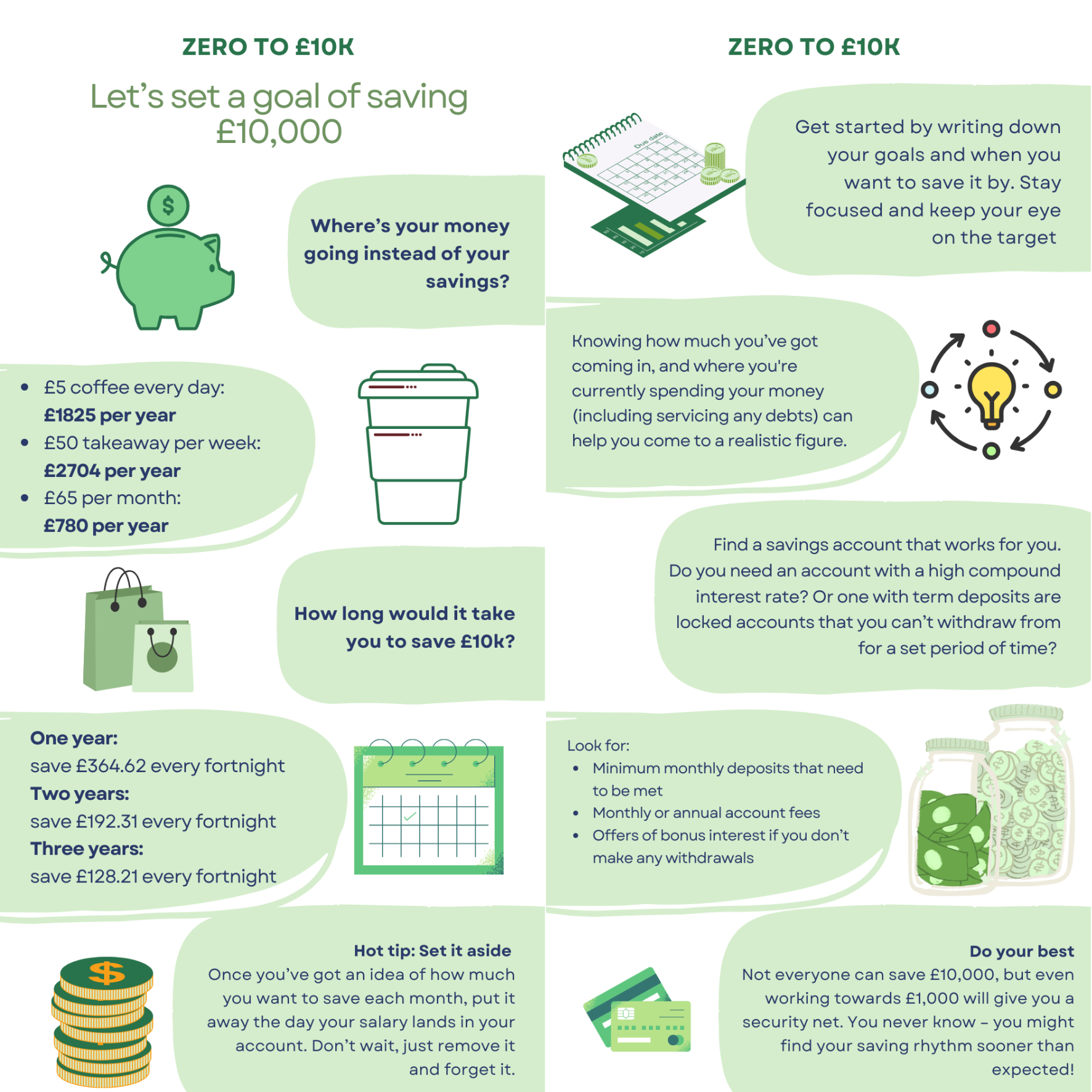
We popped a handy guide to start saving some money. Alongside useful information about making sure you always receive your insurance claim. And how important life cover really is. Plus, what pre-existing conditions you should be aware of when applying for health insurance.
We’ve also delved into the term ‘Mortgage Prisoners’ and why it is so essential to be in touch, ideally, six months before you need to remortgage or take out a new mortgage. We think it might be good to mention that the best way to thank your adviser is to refer us to your friends and family. Do you have a friend or family member who are looking for any services? We’d value it greatly if we could send this to anyone who might benefit.
Let’s dive in!

When it comes to buying a property or remortgaging in the UK, most people don’t think about mortgages until they’ve already found a home. Or their current deal is nearly up. But, by then, the clock is ticking, and options can be limited. Speaking to a mortgage broker around six months before you’re ready to move gives you breathing space, and often, a much better outcome.
Give Your Credit Time to Shine
Lenders want to see a solid track record, not just a last-minute tidy-up. I’ve seen clients surprised by old defaults or forgotten credit cards that popped up on their file. By starting early, you can deal with these issues well before they become a stumbling block. Six months is usually enough time to make meaningful improvements.
Protect Yourself from Rate Rises
The mortgage market moves quickly, sometimes overnight after a Bank of England announcement. For example, those who secure a deal months in advance can find themselves with lower repayments, saving thousands. Even with rates slowly decreasing, you (or we) never know what is around the corner. So, it’s so good to have rates locked in, and we can always change them if the rates continue to drop.
Know What You Can Actually Afford
There’s nothing worse than falling in love with a property only to discover it’s beyond your borrowing limit. A broker can run the numbers in advance so you know exactly what you can afford. If your budget needs adjusting – maybe cutting back on certain commitments or tidying up regular spending – six months gives you time to make those changes.
Get Ahead with Paperwork
If you’re self-employed or a contractor, you’ll know that paperwork is half the battle. Lenders can be strict about accounts, tax returns, and income evidence. Starting early means no last-minute panic to dig through old files. Everything’s ready to go when you need it.
Walk Into Viewings with Confidence
Estate agents and sellers take buyers more seriously when there’s an Agreement in Principle in place. It shows you’re prepared and able to move quickly. In competitive areas like London or Manchester, that can give you the edge over other buyers.
Getting a mortgage broker involved six months early puts you in control. You’ll have time to improve your credit, secure a good rate, sort your paperwork, and approach the property market with confidence.
Thinking about buying or remortgaging in the UK? Get in touch today for a free consultation, and let’s plan your mortgage journey together.
Your home or property may be repossessed if you do not keep up repayments on your mortgage or any other debts secured on it.

We often get asked, when might an insurer not pay a claim? I understand how frustrating it can be when a claim is denied. While insurance is designed to provide financial protection, there are specific circumstances under which a claim may not be paid out.
So, we’ve put together a fact sheet to help you learn what you need to know:
1. Policy Exclusions
Insurance policies come with exclusions, which are specific situations or events that aren't covered. For example, if you're involved in an accident while driving under the influence of alcohol or drugs, your claim may be denied. It's crucial to thoroughly read your policy to understand what's included and what's not.
2. Non-Disclosure of Information
When applying for insurance, you're required to disclose all relevant information. Failing to do so can lead to a denied claim. For example, if you omit details about a pre-existing medical condition or a previous claim, the insurer may refuse to pay out.
3. Fraudulent Claims
Providing false or misleading information is considered fraud. If an insurer suspects that a claim is fraudulent, they have the right to deny it. Always ensure that the information you provide is accurate and truthful.
4. Lapsed or Cancelled Policies
If your policy has lapsed due to missed payments or has been cancelled, any claims made during this period won't be honoured. It's essential to keep up with premium payments and renew your policy on time.
5. Claims Below the Excess
If the cost of the damage or loss is less than your policy's excess, the insurer won't pay out. For example, if your excess is £250 and the damage amounts to £200, you would bear the full cost.
6. Poor Maintenance
In cases like vehicle insurance, if your car isn't properly maintained and this leads to damage, your claim may be denied. Regular maintenance is not only good practice but also a requirement in many policies.
7. Failure to Report Promptly
Delaying the reporting of an incident can result in a denied claim. Insurers typically require that claims be reported within a certain timeframe. Always notify your insurer as soon as possible after an incident.
What to Do If Your Claim Is Denied
If your claim is denied, don't panic. Here's what you can do:
- Understand the Reason: Insurers must provide a written explanation for the denial. Review this carefully to understand the basis of their decision.
- Review Your Policy: Compare the insurer's reasons with your policy's terms and conditions to see if the denial is justified.
- Contact the Insurer: Reach out to your insurer to discuss the decision. They may be able to provide further clarification or reconsider their stance.
- File a Complaint: If you're unsatisfied with the insurer's response, you can file a complaint with the Financial Ombudsman Service (FOS). They offer free and independent services to resolve disputes between consumers and financial businesses.
Need Assistance?
If you're unsure about your insurance policy or need help with a denied claim, don't hesitate to get in touch. As an experienced insurance advisor, I'm here to help you navigate the complexities of insurance and ensure you have the coverage you need. Contact me today for a consultation.

Life is unpredictable, and the thought of what would happen to your loved ones if you were no longer around can be a source of real anxiety. Recent research highlights just how widespread these worries are across the UK.
The study found that a significant number of adults often think about the financial impact their death would have on their family, with some constantly worrying about it. These findings underline a clear truth: many people feel unprepared for the financial challenges their family could face in the event of their passing.
The Reality of Financial Vulnerability
Nearly three-quarters of adults fear their family wouldn't manage financially beyond twelve months if they were to pass away. Many believe their family would need more than £1,000 a month to cover basic living costs, such as housing, utilities, and groceries, while a notable proportion estimates the amount needed could be £2,500 or more.
These figures highlight a significant gap in financial preparedness. Rising living costs and economic uncertainties make it understandable that so many people feel anxious about their family's financial future.
Why Life Insurance Matters
Life insurance can provide a financial safety net when it’s needed most. Imagine this: a parent passes away unexpectedly. Without life insurance, their partner may struggle to cover the mortgage, daily bills, and childcare costs while adjusting to life without that income. With life insurance in place, the family could pay off the mortgage, cover essential expenses, and maintain stability during a difficult time – giving them the security and breathing space to focus on what truly matters.
Even if your family could survive on savings alone, life insurance ensures that they don’t have to compromise their lifestyle or worry about short-term financial pressures during an already stressful period.
Take Action Today
If you’re concerned about your family’s financial security, now is the time to act. Speaking to a qualified financial advisor can help you understand your options and create a plan tailored to your needs. Let’s chat today to ensure your loved ones are protected. It’s one of the most important steps you can take.

If you’re a homeowner in the UK, you might have heard the term “mortgage prisoner” being thrown around. But what does it mean, and how could it affect you?
A mortgage prisoner is someone who is up to date with their mortgage payments but is unable to switch to a more affordable deal. This situation often arises due to stricter lending criteria introduced after the 2008 financial crisis. Many of these homeowners are stuck with high-interest rates, sometimes paying significantly more than current market rates.
Imagine paying an interest rate of 9% or more while others are securing deals at 3%. That’s the reality for many mortgage prisoners.
For homeowners aged 55 and over, a lifetime mortgage might offer a solution. This type of equity release allows you to unlock the value in your home without the need to move. The loan is repaid when you pass away or move into long-term care, and there are no monthly repayments. Interest accrues and is added to the loan.
While a lifetime mortgage can provide financial relief, it’s essential to consider the implications. It can affect eligibility for means-tested benefits and reduce the value of your estate. Therefore, it’s crucial to seek professional advice to determine if this option is suitable for your circumstances.
If you find yourself in a situation where you're unable to switch to a better mortgage deal, it’s time to explore your options. Consulting with a qualified advisor can help you understand the best course of action tailored to your specific needs. Don’t let the term “mortgage prisoner” define your financial future. Take control today – give us a call or send us an email to hear more.
Note: The information provided in this article is for general informational purposes only and does not constitute financial advice. Always consult with a qualified financial advisor before making any decisions regarding your mortgage or financial situation.
This is a lifetime mortgage. To understand the features and risks, please ask for a personalised illustration. Check that this mortgage will meet your needs if you want to move or sell your home or you want your family to inherit it. If you are in any doubt, seek independent advice.

Let’s be honest, insurance can often feel a bit overwhelming when going through the fine print! Whether you’re joining a new policy or transferring from an old one, knowing how medical underwriting works can save you time, stress, and surprises. Understanding how your health cover deals with pre-existing conditions doesn’t have to be complicated.
One way members are assessed is through Full Medical Underwriting (FMU). Think of it as being completely upfront with your insurer. If you have a pre-existing condition, you need to declare it when you join. Any exclusions we apply will be shown on your policy schedule, and some conditions – especially chronic ones – can’t be removed later. FMU is all about making sure your cover is accurate and personalised from day one.
If you’re moving from another fully underwritten policy, you might be covered under Continued Personal Medical Exclusions (CPME). This essentially carries your old exclusions forward. Any condition excluded on your previous policy stays excluded here, and we’ll need your old insurance certificate to make it official. It’s a smooth way to transfer coverage without redoing the whole underwriting process.
Another option is the Moratorium (MORI) or Continued Moratorium (CMORI). These work a bit like a waiting game. Pre-existing conditions aren’t covered if you had symptoms, treatment, medication, tests, or advice in the five years before joining. But after a continuous two-year symptom-free period, those conditions can be covered. CMORI applies the same rules if you’re transferring from a previous moratorium policy, keeping your cover consistent.
Finally, there’s Medical History Disregarded (MHD) – the “fresh start” option. With MHD, no personal medical exclusions are applied for eligible members, making it perfect for groups that want broad coverage. If you’re transferring from another policy, you may be asked for your old certificate, but otherwise, it’s a clean slate.
The main takeaway? Different types of medical underwriting exist to strike a balance between fair coverage and realistic risk. FMU is upfront and personalised, CME carries exclusions forward, MORI/CMORI uses a waiting period, and MHD gives you a fresh start. Always check your policy schedule and provide old certificates if required. It keeps everything simple and clear.
Ready to get your cover sorted? Contact us today for friendly, expert advice and make sure your group health insurance works for you – not the other way around.