With so much happening in the world right now, it can be hard to know what it all means for your mortgage. We've pulled together the latest on UK interest rates, what's driving them, and, most importantly, what it could mean for you. As always, if you have any questions, we're just a message away.
As of May 2026, the Bank of England has held the UK interest rate at 3.75%, the current low point of its cutting cycle, down from a peak of 5.25% in 2023. Earlier this year, two rate cuts were widely expected, with inflation forecast to fall back to the 2% target by spring. That outlook changed sharply following the escalation of conflict in the Middle East and Iran in late February, which sent global oil and gas prices soaring and reignited inflationary pressure across the UK economy.
Key Interest Rate Data (May 2026):
Your home or property may be repossessed if you do not keep up repayments on your mortgage or any other debts secured on it.
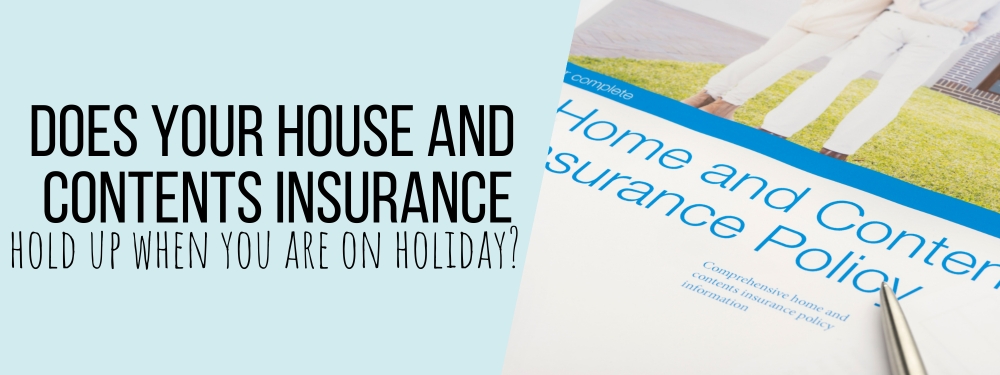
The holiday season is almost here. While you're busy booking flights and planning days out, there's one thing that often gets forgotten before you head off: whether your home insurance will protect you while you're away. Spoiler alert: it might not be as watertight as you think. Here’s a quick roundup of things to be aware of. But speaking with us will make sure your home has the most accurate protection. Call us today so you aren’t second-guessing your policy poolside.
The auto-renewal trap
Let's start before you even leave the house. If your policy is due for renewal soon, please do not just let it roll over automatically. Loyalty rarely pays in the UK insurance market, and it's extremely common for insurers to increase premium year on year. Take the time to get a like-for-like comparison at renewal. Same level of cover, same excess, same add-ons. Just a fresh quote. You could save a meaningful amount. It's one of the easiest wins in personal finance.
Read the small print before you go
Your policy schedule is full of conditions that most people never read until it's too late. Many insurers require you to lock windows, double-lock doors, and, in some cases, even turn off the water supply before leaving. If you forget, or simply didn't know, a claim could be rejected on a technicality. Have a quick look through your schedule before your next trip. It's not the most exciting pre-holiday reading, but it's a lot better than coming home to a problem and being told you're not covered.
Going away for more than 30 days?
This one catches a lot of people out. Most standard home insurance policies include an unoccupied property clause, which typically kicks in if your home is left empty for 30 consecutive days or more. Once that threshold is crossed, certain elements of your cover, particularly for escape of water or theft, may be restricted or removed entirely. If you're planning a longer trip, contact your insurer before you go. A quick call now could save a very expensive conversation later.
Document everything
Finally, a simple habit that makes a real difference: walk around your home with your phone and record a short video of your belongings or take photos, room by room. Store it in the cloud, so it's accessible anywhere. If you ever need to make a claim, having clear evidence of what you own, and its condition makes the whole process significantly smoother and faster.
Your home insurance should give you peace of mind while you're away, not a nasty surprise when you get back. A quick check before you leave could save you thousands. Send me a message today, and I'll review your policy for free. It takes minutes and could make all the difference. Have a wonderful holiday!
Always read your policy documents carefully and check the terms with your insurer before travelling.

How putting your life insurance in trust could save your loved ones time, stress, and a hefty tax bill
Nobody likes thinking about what happens when they're gone. But if you have a life insurance policy and you haven't thought about how that money will actually reach your family, this is worth five minutes of your time. Because right now, the probate system in the UK is under serious strain. And your loved ones could be the ones paying the price.
Probate is the legal process that gives someone the authority to deal with your estate after you die. In theory, it should take around 16 weeks. In practice? The number of probate cases taking between 21 and 23 months to be granted has risen by 131% since 2020/21, according to industry analysis. That's nearly two years before your family can access what you've left them.
It gets worse. HMRC can charge interest on any unpaid inheritance tax (IHT) from just six months after death. Long delays can actually increase the final tax bill, even when the hold-up is entirely outside your family's control. And with pensions set to become part of the taxable estate from April 2027, the process is only likely to become more complex. IHT receipts already hit £7.7 billion between April 2025 and February 2026, a record, and few in the industry were surprised.
So what's the solution?
One of the most effective, and often overlooked, tools is putting your life insurance policy in trust. When your life insurance is written in trust, the payout sits outside your estate. That means no inheritance tax on it, and crucially, your beneficiaries don't have to wait for probate at all. Payouts can land in a matter of weeks rather than months or years.
You stay in control of who receives the money, when they receive it, and under what conditions. And in many cases, insurers will set it up for you completely free of charge.
A few things to bear in mind
Life insurance in trust isn't entirely without complexity. Once set up, the decision is generally irreversible, so it's not something to rush into without proper advice. There are also legal and tax considerations to think through, particularly around the seven-year rule if you change beneficiaries down the line.
The best time to sort this is while everything is straightforward. Not during a period of grief, stress, and paperwork. If you'd like to understand whether putting your life insurance in trust makes sense for your situation, I'm here to talk it through.
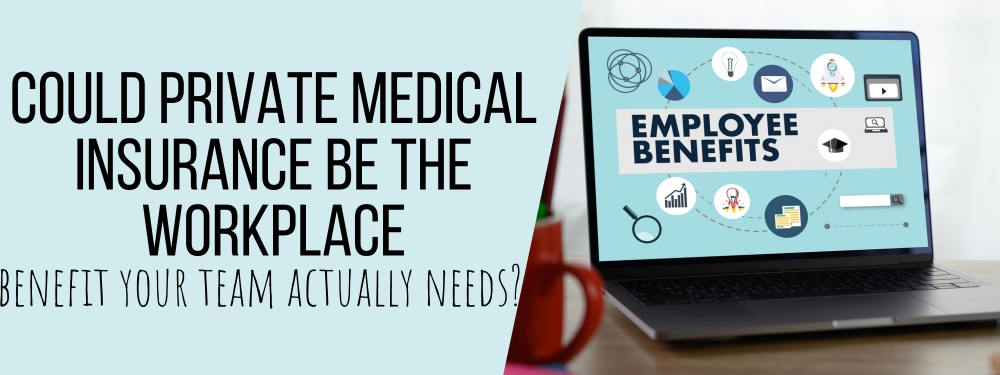
With NHS waits still running into months, more workers are asking their employers a simple question: can you help? Cast your mind back to the last time someone on your team was off sick for an extended period. The knock-on effect, on workload, morale, and productivity, can be significant. Now imagine if they'd been able to get a diagnosis and start treatment weeks sooner.
Whether you are an employer or employee, this article will go through some key facts around workplace Private Medical Insurance. As your advisor, we are here to help. Book in a call and we’ll go through what we can do for you.
Did you know the NHS waiting list in England is still at 7.41 million people? Unfortunately, the 18-week treatment target hasn't been met since 2016. For someone dealing with a musculoskeletal problem, a mental health concern, or a condition that needs specialist input, waiting months for treatment can be incredibly uncomfortable. Also, meaning weeks away from work, reduced performance, or leaving a role entirely.
Around a third of the UK working population now considers private health cover essential, and 60% of employees rank PMI as their number one workplace benefit. Here's what makes this particularly compelling for employers. Workers aren't just passively hoping for PMI, they're actively prioritising it when choosing where to work and whether to stay. In a competitive jobs market, offering private health cover sends a clear message: we take your wellbeing seriously.
The economic case stacks up too. Research from Bupa suggests PMI provides a £2.5 billion boost to the UK economy simply by reducing sickness absence. Employees who can access fast diagnosis and treatment return to work sooner, perform better, and feel more valued.
Despite being viewed as essential by so many, only around 8% of individuals have a personal PMI policy. Another 8% are covered through their employer. The biggest barrier? Cost. Around 74% of people believe private insurance is unaffordable when purchasing it themselves.
But that's precisely where employer-arranged group cover changes the equation. Group policies are typically far more cost-effective than individual plans, spreading risk across a workforce and often unlocking better terms than any one employee could secure alone. For many businesses, the cost per employee per month is considerably lower than most people assume.
Self-funded healthcare spending in the UK has grown by 24% since the pandemic to £46.2 billion. The question for employers is whether they want to support that proactively or leave their people to navigate it alone. Offering PMI doesn't have to be complicated or expensive. And for your team, it could make a genuine difference when it matters most.
If you'd like to explore what group cover might look like for your business, let’s have a chat and find the perfect policy for you and your team.

For most of the last century, the mortgage journey followed a fairly predictable path. You bought your first home in your mid-to-late twenties, paid it off over 25 years, and entered retirement debt-free with the house as your reward for decades of hard work. That story is changing, and faster than most people realise.
According to the English Housing Survey 2024–25, the average age of first-time buyers in England is now 34, up from 32 just five years ago, with around 22% of first-time buyer loans in mid-2024 carrying terms of 35 to 40 years.
The knock-on effect is significant. Bank of England data shows that just over two in five new mortgages now have terms extending beyond the borrower's pension age, and it is estimated that over one million mortgages stretching past retirement have been issued since late 2021. Carrying a mortgage into retirement is no longer an edge case. For a growing number of people, it is simply the reality of how homeownership works in this country.
The good news is that the market is responding. The equity release sector grew 11% in 2025, reaching £2.57 billion in total lending, and people are increasingly using these products for practical reasons rather than lifestyle spending. The most common reason is to clear an existing mortgage or debt, accounting for 26% of cases according to the Equity Release Council.
Retirement Interest-Only mortgages are also gaining traction as a flexible middle ground, and the FCA has acknowledged that some rules may have unintentionally acted as barriers to people accessing the solutions they actually need.
Despite all of this, research from the Equity Release Council found that more than half of households aged 60 and over could fund a better, longer retirement by accessing their housing wealth. Yet most have never had a proper conversation about how to do it. That is the gap we need to close.
If you have a mortgage with years still to run and retirement is closer than it once felt, or you are already past your working years with debt still outstanding, there is almost certainly more you can do than you think. The earlier we talk, the more options we have to work with. Please do get in touch, I would love to help.
Always seek independent regulated advice before making decisions about mortgage or equity release products. Your home may be repossessed if you do not keep up repayments on a mortgage or any other debt secured on it. Equity release will reduce the value of your estate and may affect your entitlement to means-tested benefits.

Yes, this is real. Bear with me.
Right. I wasn't going to write about this. But then a client forwarded me something and I thought, no, this needs addressing.
The government has launched a financial education campaign. Which, in principle, is a great idea. Long overdue, actually. Years of people parking money in cash ISAs earning next to nothing, a nation largely baffled by the stock market, and genuinely no mainstream effort to bridge that gap. So yes - needed.
The face of this campaign is a squirrel. Called Savvy.
I'm not joking. Billboards. Social media. Television from the autumn. A fleet of "Savvy Cabs", taxis that give people a free journey if they're willing to talk about investing on the way. I've been in this industry for decades. I've seen a lot. But a cartoon squirrel hailing a cab to discuss equity ISAs is, I'll admit, a new one.
The budget for all this? Up to £8–10 million a year, running for three to five years, backed by up to 20 financial services firms alongside the FCA, the Money and Pensions Service, and the Treasury.
Good money. Interesting choice of mascot.
Here's the thing. Strip away the squirrel, and the problem this campaign is trying to solve is completely legitimate. The numbers behind it are genuinely sobering.
Seven in ten people in the UK rarely or never talk about investing. Around 44% of people who have savings but no investments , potentially over 10 million people, say they'd be interested in learning more. They're not opposed to it. They just don't know where to start, don't feel it's for them, or quietly assume it's something other people do with other people's money.
Meanwhile, the FCA has previously found that around seven million adults hold more than £10,000 sitting in cash savings. Money that, over time, is slowly being eaten away by inflation without them even realising it.
And the government is making changes that will push people further in this direction whether they're ready or not. From April 2027, adults under 65 will only be able to put up to £12,000 per year into a cash ISA, with the remaining £8,000 of their £20,000 annual allowance potentially moving into stocks and shares. That's not subtle. That's a structural nudge with a deadline.
So where does that leave you?
A billboard with a squirrel on it is not financial advice. It's awareness raising, and that's probably the best it can do. Getting someone to think "hmm, maybe I should look into this" is a reasonable first step. What happens after that step is where it gets important. Where getting it wrong actually costs people money.
If your cash has been sitting still for a while and you've been meaning to have that conversation, this is probably a decent time to have it.
This article is for informational purposes only and does not constitute financial advice. The value of investments can go down as well as up, and you may get back less than you invest. Always seek independent financial advice before making investment decisions.